

round led mirror bathroom
Control Valves and Their Types Control valves are essential components in various industrial processes, serving as the regulatory mechanism that controls fluid flow, pressure, temperature, and other parameters in a system. These valves are the backbone of process control, enabling plants to operate efficiently and safely. Understanding the different types of control valves and their functions can significantly enhance process performance and reliability. What is a Control Valve? At its core, a control valve is a device that regulates the flow of fluid by varying the size of the flow passage. It receives signals from a controller (usually based on measurements from sensors) and adjusts the valve position accordingly to maintain the desired operating conditions. Control valves can handle fluids in various states, including gases, liquids, and slurries. Types of Control Valves 1. Globe Valves Globe valves are one of the most widely used types of control valves. They consist of a spherical body with an internal baffle that directs the fluid flow. The flow capacity is easily controlled due to their tight sealing and adjustable flow characteristics. Globe valves are ideal for applications requiring throttling and precise flow control. 2. Ball Valves Featuring a spherical disc (the ball), ball valves offer quick operation and are excellent for on/off control. Their sealing capability allows for minimal leakage, making them suitable for applications requiring high pressure and temperature. While they are less effective at throttling compared to globe valves, newer designs with modified ports can offer better control. control valve and its types 3. Butterfly Valves Butterfly valves consist of a rotating disc that allows for easy regulation of flow. They are lightweight and compact, making them suitable for large pipes where space is a concern. Butterfly valves are often used in applications requiring quick shut-off and moderate throttling capabilities. They are commonly found in water and wastewater treatment facilities. 4. Diaphragm Valves Diaphragm valves utilize a flexible diaphragm to control flow. This design isolates the fluid from the valve's internal components, making them ideal for corrosive or hygienic applications. Diaphragm valves are commonly used in the pharmaceutical and food industries, where cleanliness and precise flow control are crucial. 5. Check Valves While not traditional control valves, check valves play an essential role in preventing backflow in piping systems. They automatically close when fluid attempts to flow backward, protecting pumps and other equipment from damage. There are various designs of check valves, including swing check, lift check, and ball check valves. 6. Pressure Relief Valves These valves are critical for safety in pressurized systems. Pressure relief valves automatically vent excess pressure when it exceeds a predetermined threshold, preventing catastrophic failures. They are essential in systems where pressure buildup could pose a risk to equipment and personnel. Conclusion Control valves are a vital part of industrial processes, ensuring optimal performance and safety across various applications. Understanding the different types of control valves—globe, ball, butterfly, diaphragm, check, and pressure relief valves—allows engineers and operators to select the appropriate devices for their specific needs. Each type has unique advantages and potential applications, and careful consideration should be given to their selection, installation, and maintenance. In conclusion, the choice of control valve can significantly impact the efficiency and safety of an industrial process. By leveraging the appropriate type and understanding their operational characteristics, facilities can enhance process control and ensure the longevity of their equipment. As industries evolve, the development of advanced control valves continues to play a crucial role in meeting the increasing demands for reliability, efficiency, and safety.
about
round led mirror bathroom
How to Close the Water Valve A Step-by-Step Guide Closing a water valve is a crucial skill for homeowners and renters alike. Whether you are tackling a plumbing issue, preparing for maintenance, or simply trying to conserve water, knowing how to properly shut off your water supply is essential. This article will guide you through the steps necessary to close a water valve safely and effectively. Why You Might Need to Close the Water Valve There are several scenarios in which you may need to close your water valve. Common reasons include 1. Plumbing Repairs If you are fixing a leaky faucet, changing out a toilet, or repairing pipes, it’s important to close the valve to prevent water from flowing and creating a mess. 2. Emergencies In the event of a burst pipe or severe leak, turning off the water can help minimize damage to your home. 3. Seasonal Maintenance For those living in colder climates, it may be necessary to shut off the water to outdoor faucets to prevent freezing and cracking during winter. Identifying Your Water Valves Before you can close a water valve, you need to know where they are located. There are usually two types of valves in a typical household 1. Main Shut-off Valve This valve controls the water supply to your entire home. It is typically located near the water meter or where the main water line enters your house. 2. Individual Shut-off Valves These valves control the water supply to specific fixtures, such as sinks, toilets, and appliances. They are usually located close to the fixture they serve. Step-by-Step Instructions to Close the Water Valve Now that you are familiar with the types of valves, here is how to close them how to close the water valve 1. Gather Necessary Tools You may not need any tools for most valves since they can often be operated by hand. However, having a wrench or pliers nearby can be helpful for more stubborn valves. 2. Locate the Valve Find the appropriate valve that you need to close. If it's the main shut-off valve, look for a round wheel or a lever. For individual fixtures, check under the sink, behind the toilet, or near appliances. 3. Turn Off the Valve - For a Round Wheel Valve Turn the handle clockwise (right) to close it. You may need to use some force if it hasn’t been turned in a while. - For a Lever Valve Switch the lever 90 degrees to the right (or perpendicular to the pipe) to shut off the water. 4. Test the Valve Once closed, turn on a faucet connected to the same line to check if water is still running. If it stops, you've successfully closed the valve. 5. Address Any Issues If the valve is leaking or difficult to turn, you may need to consult a plumber to avoid any complications. Do not force a valve that is stuck, as this could cause damage. Conclusion Knowing how to close the water valve is an important home maintenance skill. Whether you are performing repairs, tackling leaks, or mobilizing for seasonal changes, securely shutting off your water supply helps protect your property, save water, and mitigate potential damage. Always remember to check your valves periodically to ensure they remain in good working condition. With these steps, you will be well-equipped to manage your water supply efficiently.
-

High quality industrial productsagement

High quality industrial products
View Details -

Meet the diverse needs of customers

Meet the diverse needs of customers
View Details -

Strict quality control

Strict quality control
View Details -

Top raw materials

Top raw materials
View Details -

Trusted supplier

Trusted supplier
View Details
Our application
news and information

Water Flow Control Using Valve Mechanisms for Efficient Management
The Importance of Valve Water Management in Modern Industry In today's industrial landscape, effecti
Valve Selection Guide_ Differences and Applications of Gate Valves and Globe Valves
When navigating the world of industrial valves, understanding the nuances between various types can
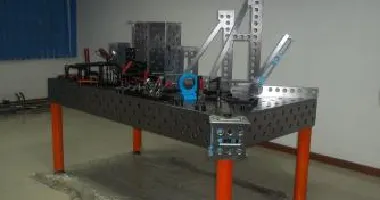
Welding Inspection Tools for Precision Measurement and Quality Assurance
The Importance of Welding Inspection Rulers in Quality Control Welding is a fundamental process in v
 English